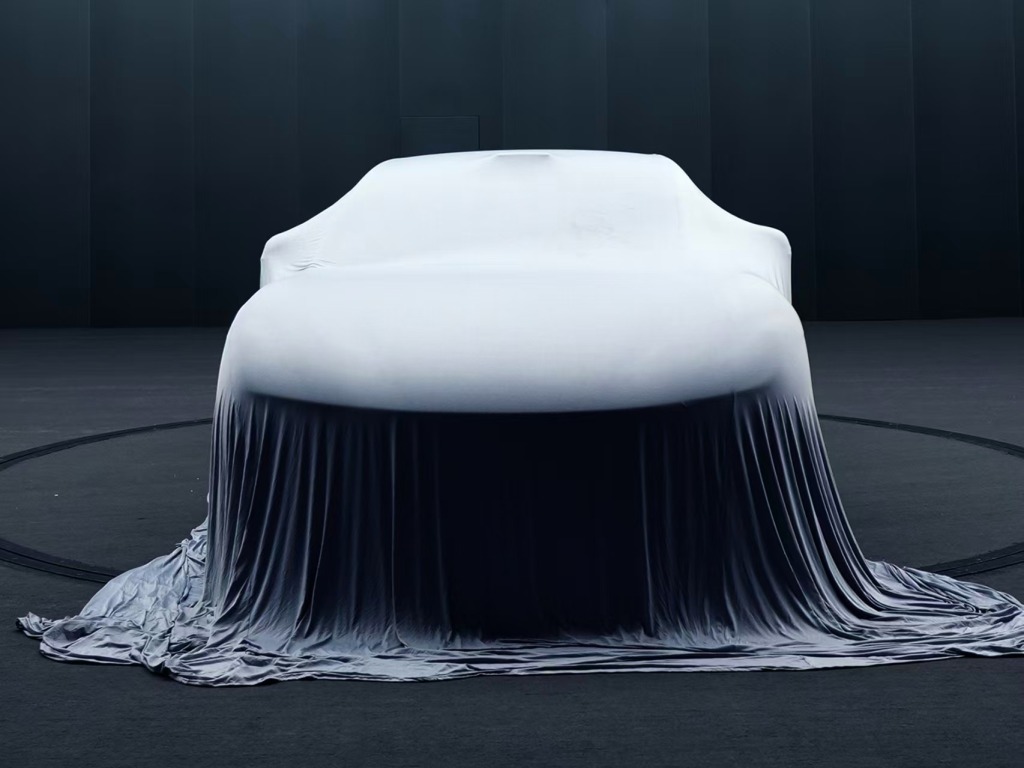
On November 14, a Weibo poster with the words "Ready Player One is ready" quietly appeared, along with the mysterious release date of November 20, drawing attention to the name "Qijing".
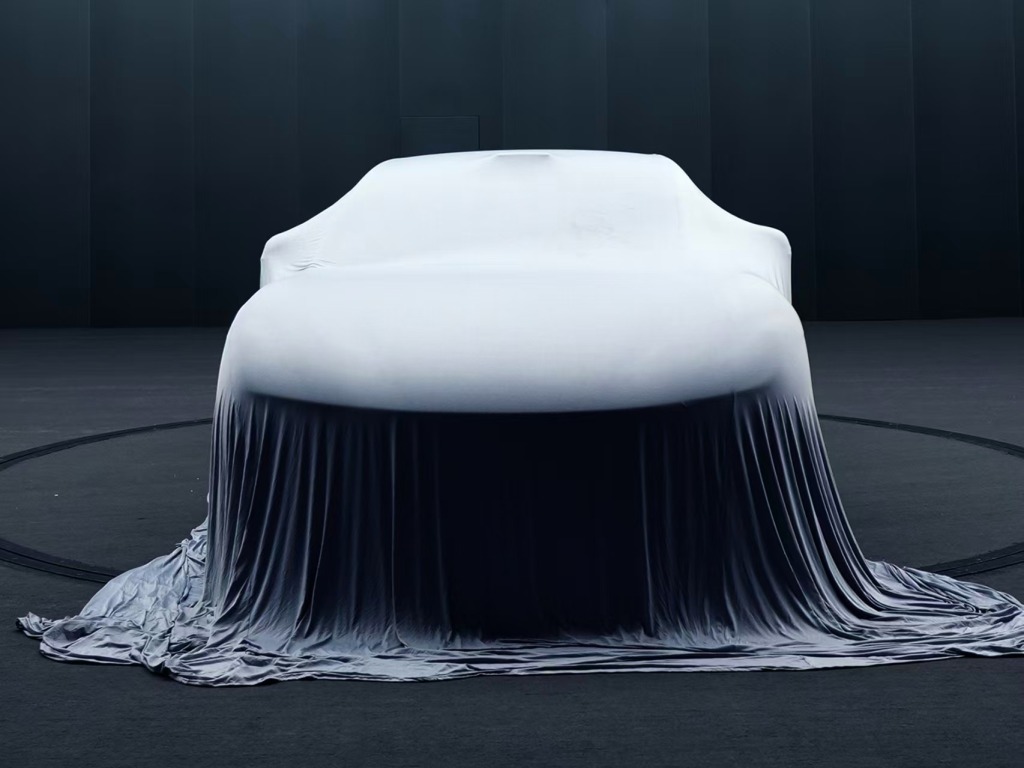
With Huawei’s "Jie" series already covering a complete price range from 150,000 to 1.5 million yuan, the debut of the new "Jing" brand Qijing raises questions: Is this redundant development or a "new variable" in Huawei’s intelligent vehicle ecosystem?
After piecing together the clues, we discovered that the imaginative scope of Qijing is far greater than we had imagined.
What makes "Huawei’s First Realm" so special?
Qijing is not an ordinary new energy brand; it is Huawei’s "first realm." Industry insiders revealed that this collaboration holds special significance within Huawei—it’s no longer a simple "cooperative car manufacturing," but rather a joint effort to build a completely new car manufacturing system.
Judging from the released posters, the joint logo of "Huawei Gankun | Qijing" has never appeared in Huawei’s automotive business before. This juxtaposition is a structural signal, seemingly marking a key shift in Huawei’s intelligent vehicle strategy from "exporting capabilities" to "co-building a brand." Qijing is the first move in this direction.
Both involve Huawei "entering the market," so what’s the difference?
What makes Qijing truly unique is its "cooperation that doesn’t seem like cooperation."
An industry insider close to the project said that Huawei and the car company partnered with Huawei have long been dissatisfied with the "you sign the contract and I do the work" relationship. Now the two teams work together directly, with Huawei bringing in the "main force" from its core departments such as product, marketing, and finance to be stationed on-site.
From figuring out what young users want and setting the direction for the product at the very beginning, to how to integrate the technology in the middle and how to do marketing in the later stages, the Huawei team was involved in every step and never missed a step.
More importantly, Huawei has incorporated its core IPD (Integrated Product Development) and IPMS (Integrated Product Marketing) systems into the collaboration. This goes beyond simple "technical support"; it represents a comprehensive integration from mindset to workflow. Industry insiders have aptly described it: "Other collaborations are like cooking together; these two are like developing a new dish together."
Why do we need "realm" when we already have "boundary"?
At this point, you might ask: Huawei already has "界" (jie) characters like 问界 (wenjie), 智界 (zhijie), and 享界 (xiangjie), so why create another "境" (jing) character?
Behind this is actually a carefully planned grand strategy by Huawei.
The "Jie" series, as Huawei’s "direct line" of products, requires Huawei to invest a lot of channel resources and marketing efforts; while the "Jing" series is handled by automakers for sales and channels and is not sold in Huawei’s terminal stores.
This approach avoids excessive strain on Huawei’s channel resources while rapidly expanding the market reach of Huawei’s technologies.
The two also differ fundamentally in their cooperation models. An insider used an analogy—previous collaborations involved providing intelligent toolkits—standard modules, available on demand, efficient but somewhat formal. Qijing, on the other hand, is taking a completely different approach of fusion of core technologies.
Targeting young people, what does Qijing want to do?
So, who exactly is Qijing going to sell to?
Multiple sources indicate that Qijing is targeting the young user group that the "Jie Series" has not fully covered.
Huawei’s "Boundary" series has demonstrated the market appeal of intelligent technology through brands such as "Questioning the Boundary" and "Intelligent Boundary," but its core audience is more mature family users over 35 years old, emphasizing a "comprehensive and reliable" pragmatism.
As the trend of younger car buyers becomes increasingly apparent, the needs of young consumers aged 28-35 are changing: they want a reliable intelligent experience but reject the "middle-aged" and staid design; they need the convenience of daily commuting but also yearn to express their personalized aesthetic.
This is precisely the market gap that Qijing is targeting.
This inclination is also evident in the composition of the design team. It’s said that the first product from Qijing underwent eight months of refinement just in terms of its appearance. Huawei’s rotating chairman, Xu Zhijun, personally reviewed it and gave it a "very stylish" evaluation, highlighting the product’s emphasis on youthful and fashionable design.
Just how powerful is the "all-in-one" technology suite?
On a technical level, Qijing is equally imaginative.
According to Jin Yuzhi, CEO of Huawei’s Automotive BU, in a CCTV interview, "The Qijing brand will fully integrate Huawei’s Gankun intelligent solution across its entire product line and stack." This means that Qijing may become the first brand to "fully experience" Huawei’s technological strength, from intelligent driving to intelligent cockpits, from electric drive systems to cloud services.
Some tech-savvy individuals have analyzed that GanKun Intelligent Driving’s core technologies, such as the WEWA architecture that can improve the density of complex cases by 1000 times, the 192-line LiDAR, and the upgraded CAS 4.0 collision avoidance system, are technologies that QiJing may not readily share in other collaborations.
What will the "new variable" change?
Having discussed so much, let’s return to our original question: What kind of "new variables" does Qijing aim to achieve?
Jin Yuzhi previously explained the meaning of the "Qijing" brand – "opening a new realm". But in our view, the deeper meaning behind this is that it injects three key "new variables" into the current competition in the intelligent vehicle industry.
From the perspective of cooperation models, it brings new variables to organizational integration. It is no longer a simple technology output, but a new model in which technology companies and car manufacturers move from "modular cooperation" to "system co-construction".
From a product philosophy perspective, it brings new variables to the user experience. It is no longer limited to an arms race of piling up parameters, but has shifted to a youthful expression that emphasizes both technological sophistication and personalization.
The past five years have seen the industry focused on technological innovation, feature stacking, and price competition. However, in the next five years, the focus of competition will shift to systems, organizations, and ecosystems. Qijing’s debut comes at this turning point.
Whether this "top player" can truly become the "new variable" that disrupts the landscape will be revealed in two days.