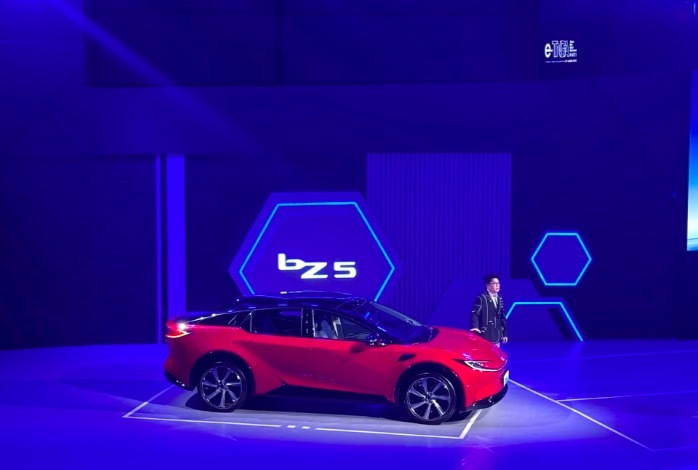
When players chasing trends realized that a balanced development of oil and electricity was the right answer in the medium to long term, "oil and electricity co-development" was Toyota’s strategy from the beginning. And with technological evolution, they have now combined their own advantages with the characteristics of China to provide a solution more suitable for the Chinese people.
On November 19, FAW Toyota held a technology brand revitalization and new product launch conference in Guangzhou, officially launching the IT’STiME3.0 technology brand and releasing three new products: the all-new Corolla Hybrid, the new bZ3 Smart Home, and the all-new RAV4.
In the competition between domestic brands and emerging forces in the fields of intelligentization and electrification, this press conference not only showcased FAW Toyota’s technological iteration strategy, but also reflected the industry trend of joint venture brands breaking through through technology localization strategies.
The IT’STiME3.0 technology brand launched this time focuses on the comprehensive advancement of intelligent technology, power technology, and software and hardware technology, forming a dual-track technology layout of self-developed technology and cooperation.
This strategy responds to the current competitive landscape in the automotive industry, where intelligence has become a core product strength.
In the field of intelligent driving, FAW Toyota adopts a combination model of Toyota’s self-developed TSS4.0 and Momenta’s collaborative INP system. The self-developed system relies on massive global driving data to enhance the ability to predict safety in all scenarios; the collaboratively developed navigation and driving assistance system is equipped with 33 high-precision perception hardware devices and 544 TOPS of computing power, specifically addressing the complex road conditions in China, while also supporting OTA continuous evolution.
This model retains the safety technology expertise of joint venture brands while addressing shortcomings in scenario adaptation through local cooperation, making it a typical path for the intelligent transformation of joint venture brands.
In terms of smart cockpits, the widespread adoption of features such as the 8155 chip, multi-zone voice recognition, and four-language response reflects industry trends. The application of the DMS+OMS dual-sensing system combines security monitoring with privacy protection, aligning with users’ prioritization of practicality in smart technology.
In terms of powertrain technology, FAW Toyota adheres to a strategy of simultaneous development of both hybrid and electric vehicles, comprehensively covering three hybrid technologies and a pure electric platform. Leveraging Toyota’s 28 years of accumulated electrification technology and a record of zero accidents across 30 million global sales, its hybrid technology continues to penetrate the mainstream family car market. Meanwhile, its pure electric products are optimized through the RCE (Real-Time Customer Creation) system for local R&D, thus resolving industry changes driven by the rebound in the pure electric market while consolidating its existing advantages in the hybrid field.
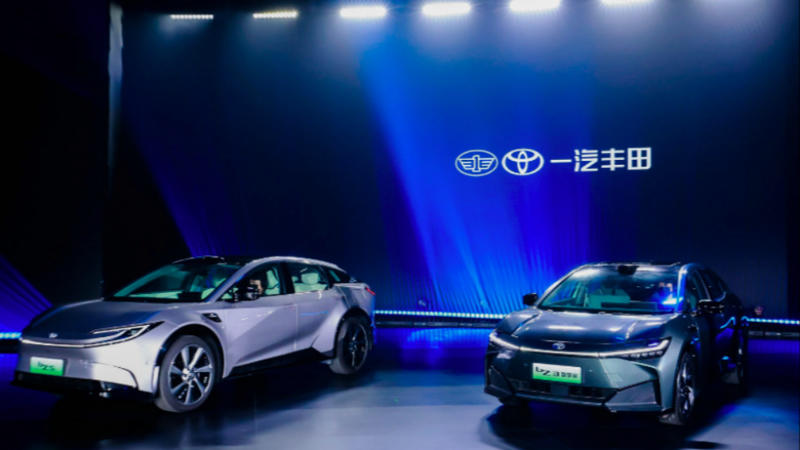
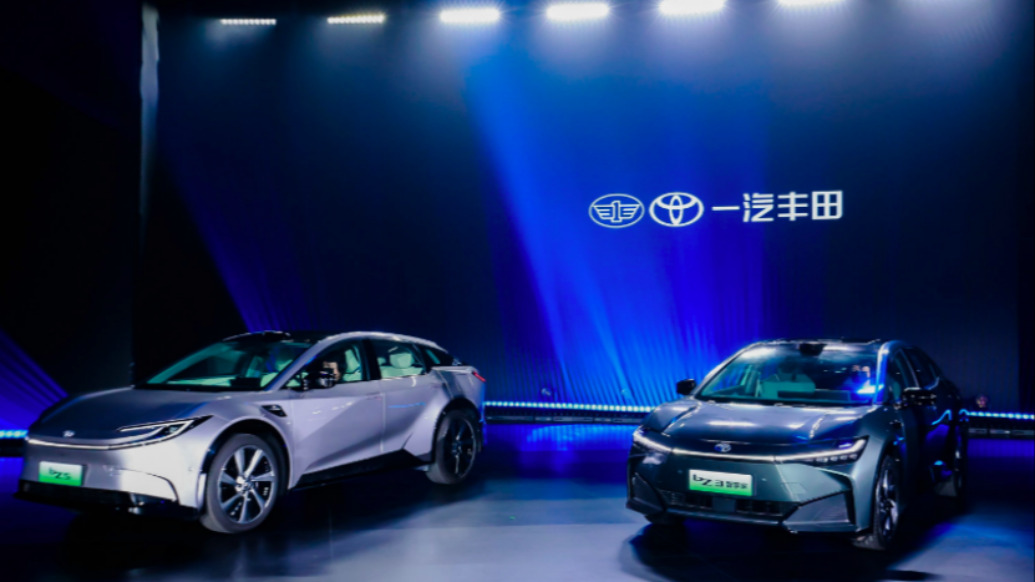
The three products released this time form a complete product matrix, ranging from family sedans to urban SUVs, and from hybrid to pure electric vehicles, demonstrating FAW Toyota’s precise control over market segments.
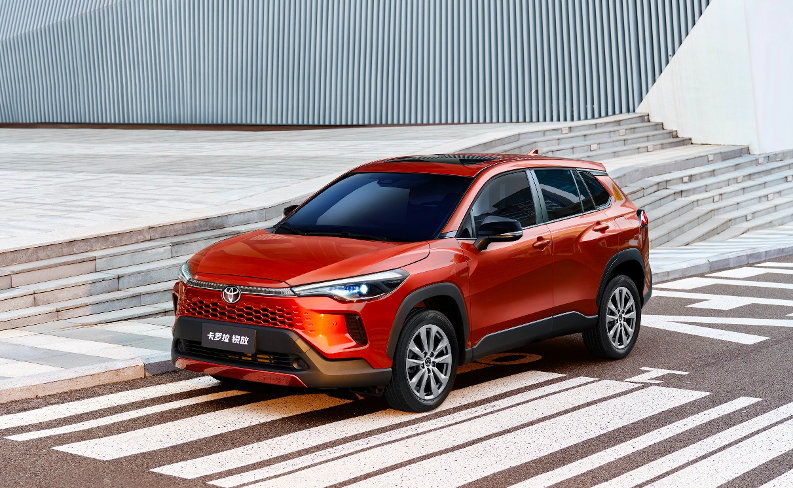
Among them, the all-new Corolla Hybrid continues its positioning as a national best-selling car, with an extended wheelbase to improve space performance. It also comes standard with L2-level intelligent driving assistance, keeping up with the industry trend of equal access to intelligent driving. Users’ demand for basic intelligent driving configurations has become rigid.
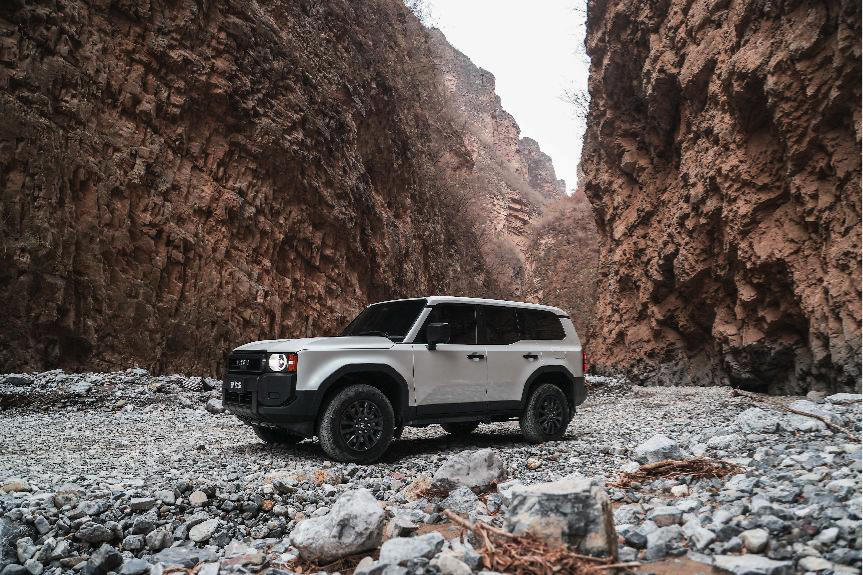
The all-new RAV4, a best-selling SUV with cumulative global sales exceeding 15 million units, retains its off-road genes while enhancing its intelligent and practical features.
Its NavInfo navigation engine and three-screen linkage features address users’ navigation pain points in complex road conditions, while features such as external power supply cater to the consumption trend of outdoor travel.
In terms of power, it offers both gasoline and hybrid versions, as well as different four-wheel drive systems, to meet both the economic needs of daily commuting and the performance requirements of outdoor scenarios.
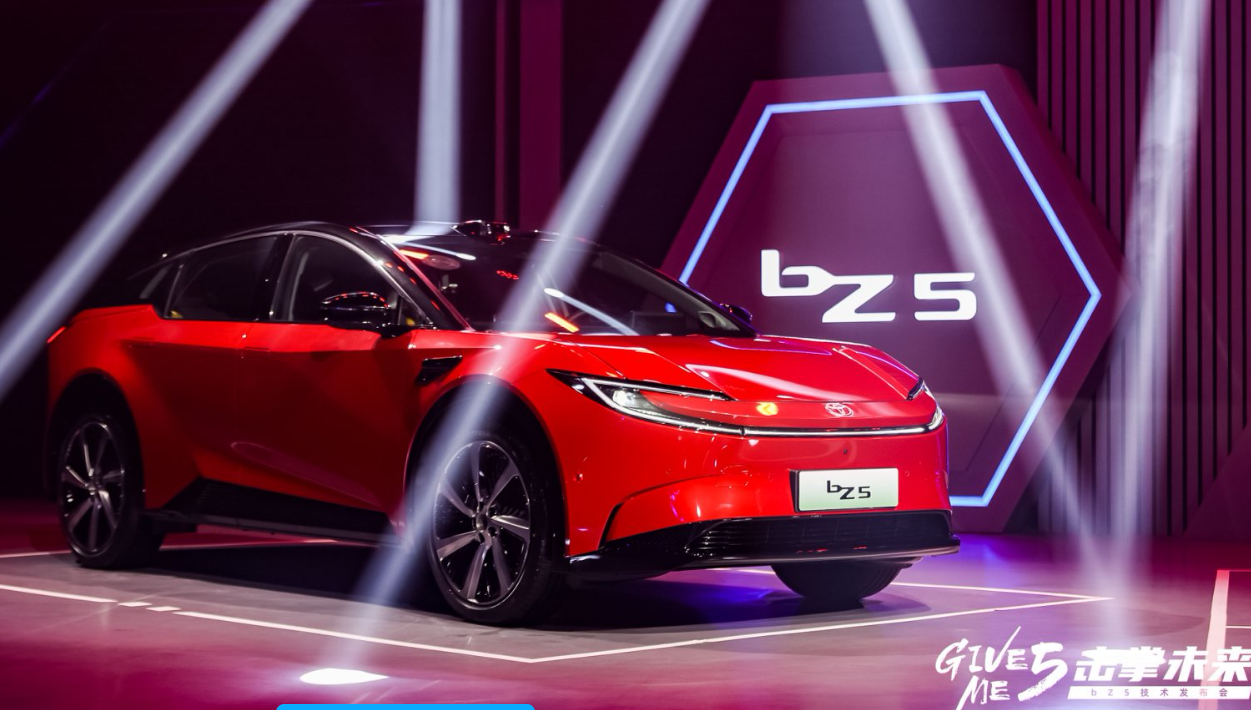
The new bZ3 Smart Home, as the first refreshed pure electric vehicle under the RCE system, showcases the achievements of Toyota’s localized R&D. Equipped with LiDAR and 32 intelligent sensing hardware devices, it supports NOA (Noise, Arrival, and Autopilot) and memory parking functions in urban areas, bringing high-end intelligent driving features to the mainstream pure electric market. This echoes the pricing strategy of GAC Toyota’s Platinum 3X, marking Toyota’s entry into the Chinese pure electric market by leveraging technological advancements.
The combination of the bZ series twins and the Corolla family forms FAW Toyota’s all-energy product layout of "gasoline + hybrid + pure electric", providing users with diverse choices while also enhancing the brand’s ability to cope with market fluctuations.
FAW Toyota’s technological and product upgrades are a microcosm of the joint venture brands’ collective efforts in the new energy and intelligent vehicle markets by 2025.
Faced with the rapid rise of domestic brands and the price reduction of luxury brands, joint venture giants such as Volkswagen, Nissan, and Buick have adjusted their strategies and launched a counterattack through localized R&D, technological cooperation, and expansion of their product portfolios.
Volkswagen is collaborating with XPeng to develop an electric vehicle platform, Nissan has launched the N7 pure electric model and partnered with Huawei, Buick has created the high-end new energy sub-brand Zhijing, and FAW Toyota’s IT’STiME3.0 technology brand and all-energy product layout are important components of this wave of transformation of joint venture brands.
It is worth noting that the current transformation of joint venture brands has moved beyond simply repackaging old ideas and is shifting towards systemic restructuring. FAW Toyota’s RCE (Research, Development, and Creation) local R&D system, its self-developed + collaborative technology roadmap, and its full-scenario product layout all reflect the transformation of joint venture brands from technology export to local co-creation.