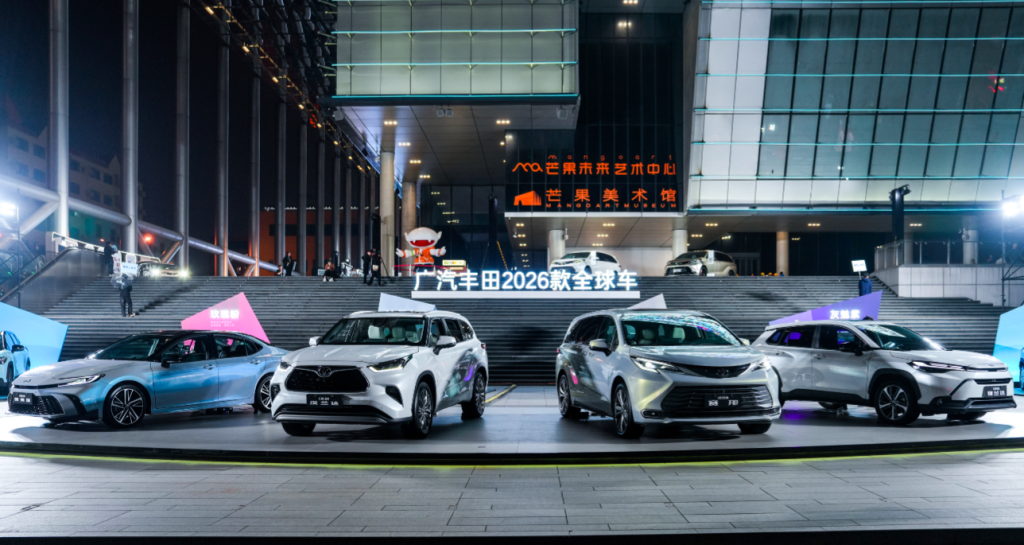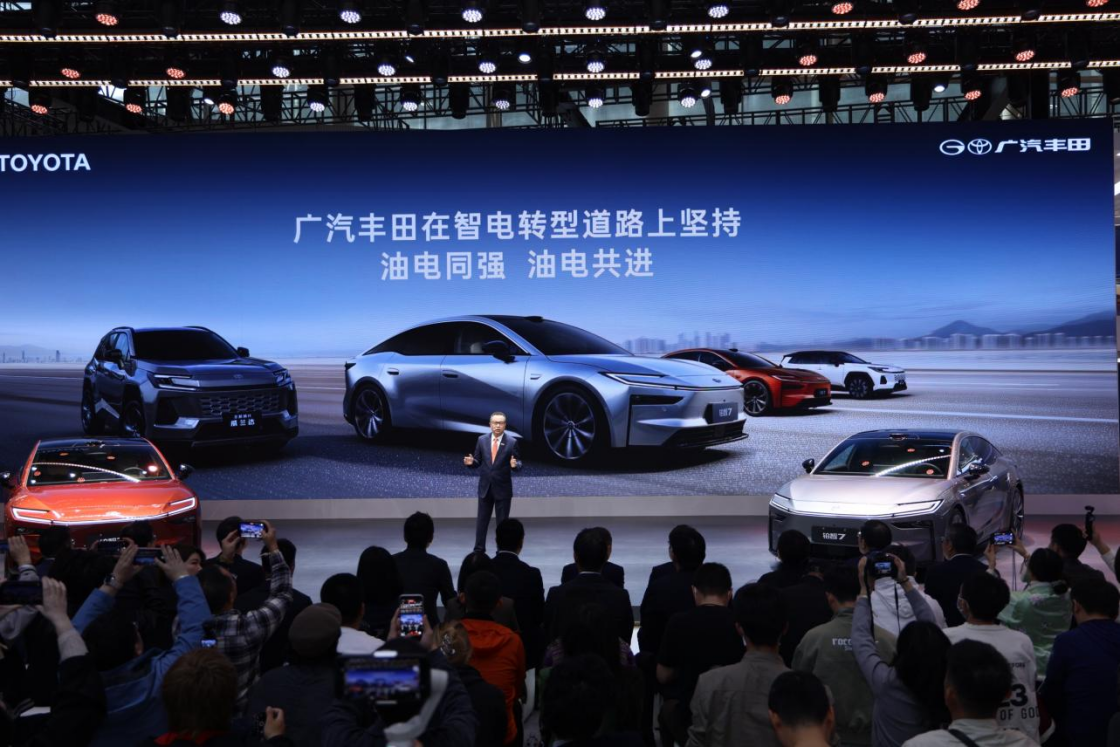
During the 2025 Guangzhou International Auto Show, GAC Toyota announced the substantial implementation of its "Dual Strength of Oil and Electric Vehicles" strategy by launching two new models within 24 hours. The all-new Wildlander and the Platinum 7 pure electric sedan showcase the brand’s differentiated approach to intelligent transformation through the respective technological routes of gasoline and electric power.
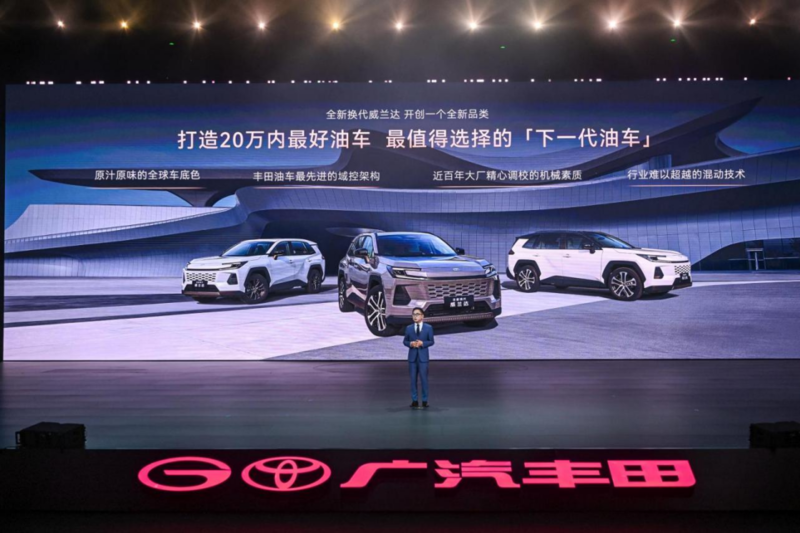
As Toyota’s first gasoline-powered SUV equipped with a "domain control architecture," the all-new Wildlander achieves a significant improvement in computing power and communication efficiency by reconstructing its underlying electronic and electrical architecture. Domain control technology gives gasoline vehicles a level of intelligence comparable to pure electric vehicles, supporting over-the-air (OTA) upgrades and overcoming the industry pain point that "gasoline vehicles are outdated from the factory." The new model continues Toyota’s global design DNA, retaining classic features while elevating the entry-level configuration to luxury standards, targeting the sub-200,000 RMB gasoline SUV market.
The Platinum 7 is positioned as a "Toyota HarmonyOS-enabled flagship luxury D-segment pure electric sedan," with its core selling points being the "three new luxury components"—dual-chamber air suspension, lidar intelligent driving, and Huawei HarmonyOS 5.0. This vehicle deeply integrates local Chinese technological resources, combining Huawei Drive ONE electric drive, the Momenta R6 large-scale intelligent driving system, and the Xiaomi ecosystem, achieving a dual empowerment of "Chinese intelligent electric technology + Toyota’s global technological foundation."
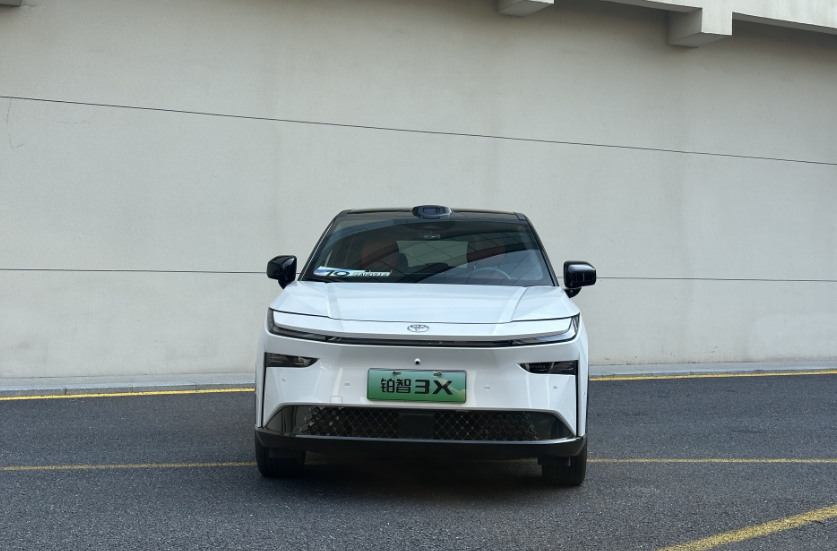
Market performance has initially validated the feasibility of the strategy. The Platinum 3X achieved sales exceeding 10,000 units for the first time in October, with cumulative sales surpassing 50,000 units, becoming a key model for Toyota’s breakthrough in the pure electric vehicle market. Meanwhile, the intelligent upgrades to the 2026 global vehicle series have stabilized the foundation of its gasoline-powered vehicle lineup. This dual-track strategy of pursuing both gasoline and electric vehicles has enabled GAC Toyota to set clear targets of over 800,000 units in production and sales by 2026 and to reach one million units by 2028, even against the backdrop of a joint venture brand market share of less than 30%.
GAC Toyota defines this strategy as a "fusion and co-creation" model—neither full-stack in-house development nor simply purchasing supplier solutions, but rather deeply integrating external technologies with Toyota standards through "incubation-style procurement." Taking the HarmonyOS cockpit in the Platinum 7 as an example, the team adapted and optimized it to Toyota standards to ensure a smooth and reliable experience. While the domain control architecture of the new Highlander is developed in-house by Toyota, its intelligent cockpit is customized for the Chinese market, reflecting the "Chinese innovation, global standards" feedback logic.
In terms of customer service, GAC Toyota is building a more comprehensive service system. GAC Toyota has launched a "equal rights for gasoline and electric vehicles" policy: gasoline vehicle owners enjoy lifetime warranty on the powertrain and hybrid battery, while pure electric vehicle owners receive a "three-tier responsibility" commitment regarding battery spontaneous combustion, parking accident assistance, and battery degradation. Regarding distribution channels, the existing 620 dealerships will transform towards "more timely response and more proactive service," while simultaneously enhancing market coverage through a parallel "dealership + direct sales" model and the establishment of 1,000 county-level Platinum Smart Experience Stores.
With the completion of its electrification lineup, GAC Toyota expects new energy vehicle sales to account for over 20% of total sales in 2026, and potentially exceed 40% in 2027. In the future, range-extended versions of models such as the Highlander and Cena will also be jointly developed with Chinese partners, further expanding the product boundaries of "both gasoline and electric powertrains."
At the Guangzhou Auto Show, a bellwether for China’s automotive industry, GAC Toyota, with its focus on "simultaneous development of gasoline and electric vehicles," demonstrated that electrification is not a denial of the past, but rather an inheritance and innovation of the essence of car manufacturing, providing a new development paradigm for joint venture automakers during this period of industrial transformation.