According to the latest data from the China Automobile Dealers Association Passenger Car Market Information Joint Branch, in October this year, the wholesale sales volume of range-extended electric vehicles was 121,000 units, a year-on-year decrease of 1.9%, while retail sales volume decreased even more sharply by 7.7% year-on-year. Since June this year, the proportion of range-extended electric vehicles in the overall wholesale structure of new energy vehicles has been declining for five consecutive months, accounting for only 7.5% in October.
Do range-extended vehicles, considered a transitional technology, still have a market prospect? On November 21, the opening day of the 2025 Guangzhou International Auto Show, Deng Chenghao, chairman of DeepBlue Auto, said in an interview that as an innovator of range-extended technology, he believes that range-extended technology is not a transitional technology, but range-extended vehicles with super long pure electric range are meaningless after consumers’ concepts mature.
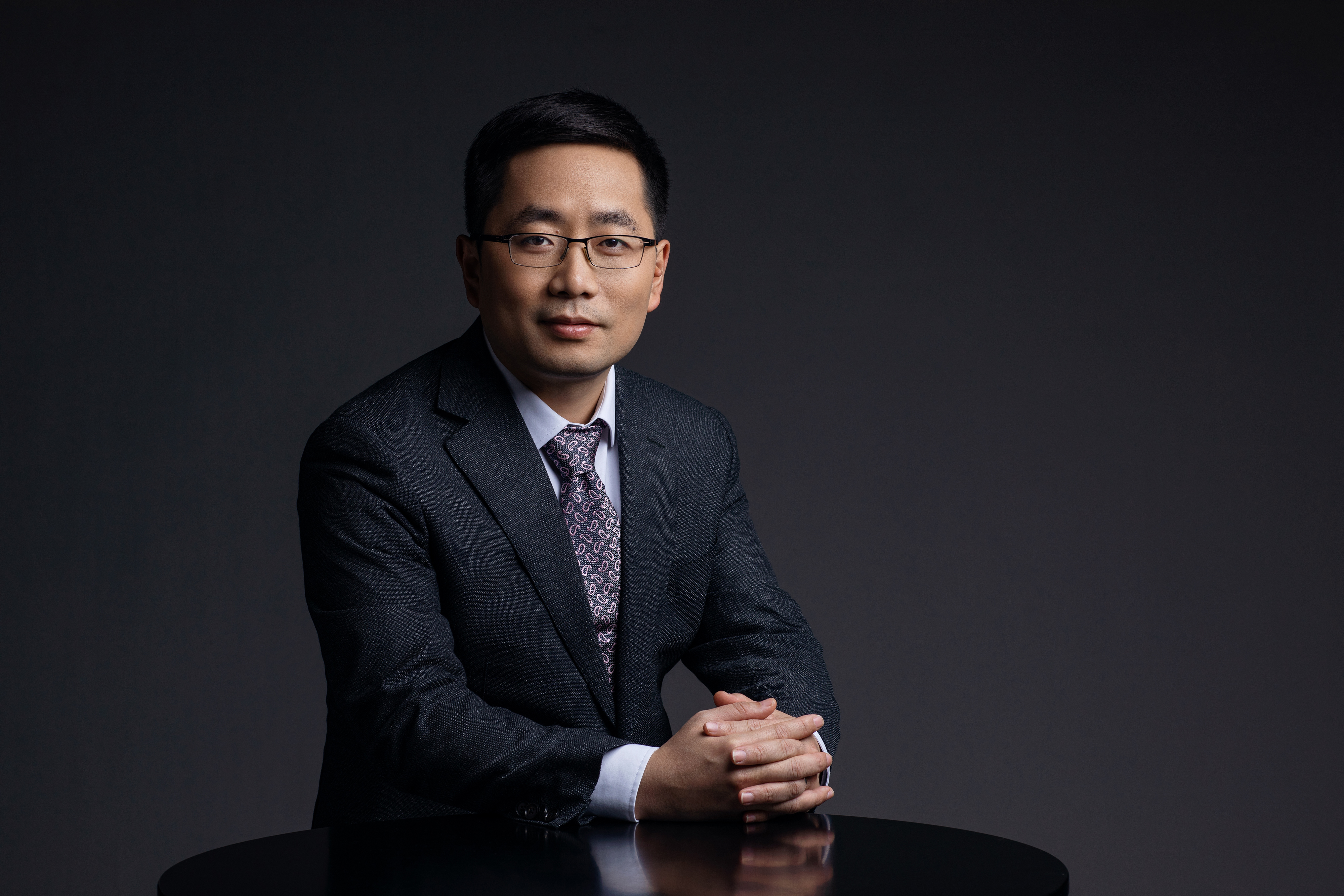
DeepBlue Auto Chairman Deng Chenghao
“Some people say that range extender is a transitional technology or an outdated technology, but I think that’s because they don’t understand the technology enough,” he countered, pointing out that range extender technology has its specific application scenarios, “serving people who really have long-distance needs.”
In response to the demand for long-distance travel, many automakers have recently launched extended-range models with ultra-long pure electric range: for example, the Zhiji LS6 extended-range version has a pure electric range of over 450 kilometers, the XPeng X9 has a pure electric range of 452 kilometers, and the Leapmotor D19 has a pure electric range of 500 kilometers.
Deng Chenghao bluntly criticized the current industry competition and the phenomenon of blindly piling on pure electric range in range-extended vehicles: "In my opinion, range-extended vehicles and plug-in hybrids will exist for a considerable period of time in the future... But if you can achieve 400 or 500 kilometers of pure electric range (range-extended vehicles), then consumers can just buy a pure electric vehicle and then put an engine on it, which is meaningless."
According to Deng Chenghao, the prices of the range-extended models with pure electric ranges of 200 km, 300 km, and 400 km should each differ by 10,000 yuan. "But I’m afraid that some people will try to undercut each other and price the 400 km (pure electric range) range-extended model the same as the 200 km model."
Reports say pure electric vehicles currently account for a higher percentage of DeepBlue Auto’s sales, reaching 70%, while range-extended vehicles account for about 30%.
Deng Chenghao stated that the rapid growth in pure electric vehicle sales this year is largely due to Chinese consumers’ more mature understanding of their vehicle usage environments. Furthermore, the Chinese market will still have a considerable number of gasoline vehicle users in 2035, determined by their long-distance travel needs. "These users should shift towards range-extended and plug-in hybrid models."
Furthermore, Deng Chenghao clarified that DeepBlue adopts a "two-pronged" strategy in the field of intelligent driving. He stated that the choice between Huawei’s solution and its self-developed DEEPAL AD MAX was primarily based on two considerations: user needs and software architecture. Deng Chenghao explained that he hopes the self-developed solution and Huawei’s solution will "mutually encourage and spur each other on," ultimately benefiting the product.
Jiang Hairong, the newly appointed CEO of DeepBlue Auto, stated that he is committed to resolving the core contradiction of DeepBlue Auto’s "product strength has not yet been transformed into market competitiveness": "When we are conveying the selling points of the products under the DeepBlue brand of new energy vehicles, we have not had a good effective communication with consumers." One of his solutions is to "cater to their preferences," by using Liu Haocun, a spokesperson chosen by users, and sponsoring IPs familiar to young customers, to transform technical language into benefits that users can perceive.